Did you know almost 30% of American families now use container gardening? This trend highlights the benefits of DIY wood planter boxes. They not only make your space look better but also offer a great spot for plants, indoor or outdoor. In this guide, we’ll cover what you need for making a wood planter box, including choosing materials and finishing touches. Let’s dive into making DIY wooden planters and create something beautiful!
Key Takeaways
- Wood planter boxes enhance both indoor and outdoor spaces.
- DIY projects promote creativity and personal style.
- Choosing sustainable wood options is beneficial for the environment.
- Essential tools can set you up for success in building your planter box.
- Decorating your planter box adds a unique touch to your gardening efforts.
- Proper care and maintenance are crucial for longevity.
- Container gardening is a popular trend for many American households.
Introduction to Wood Planter Boxes
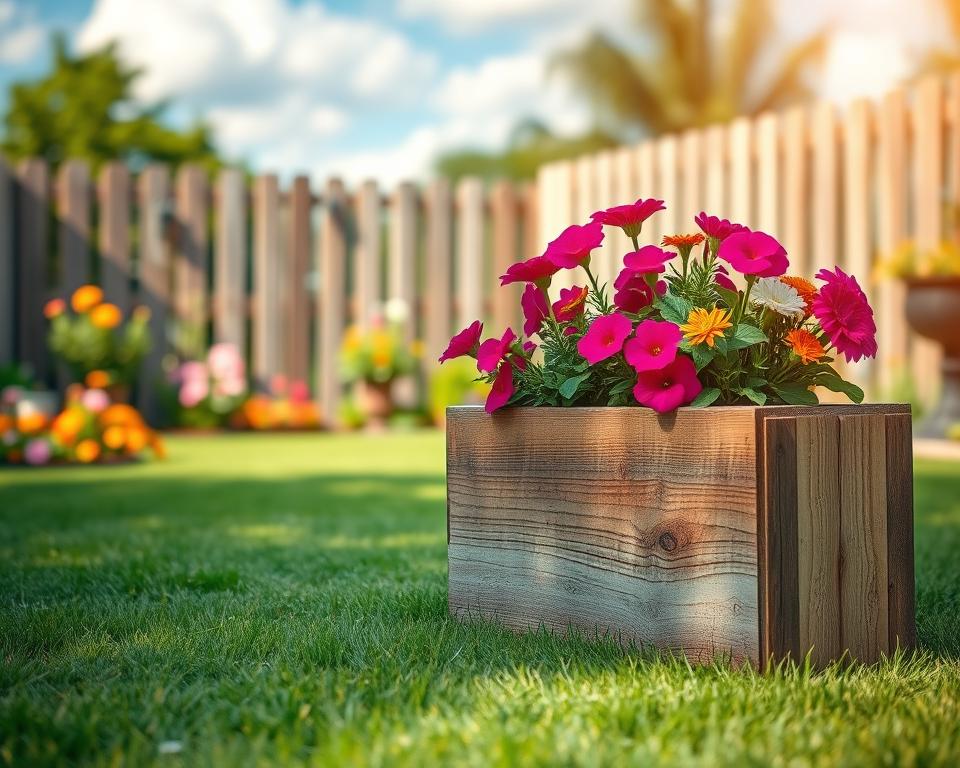
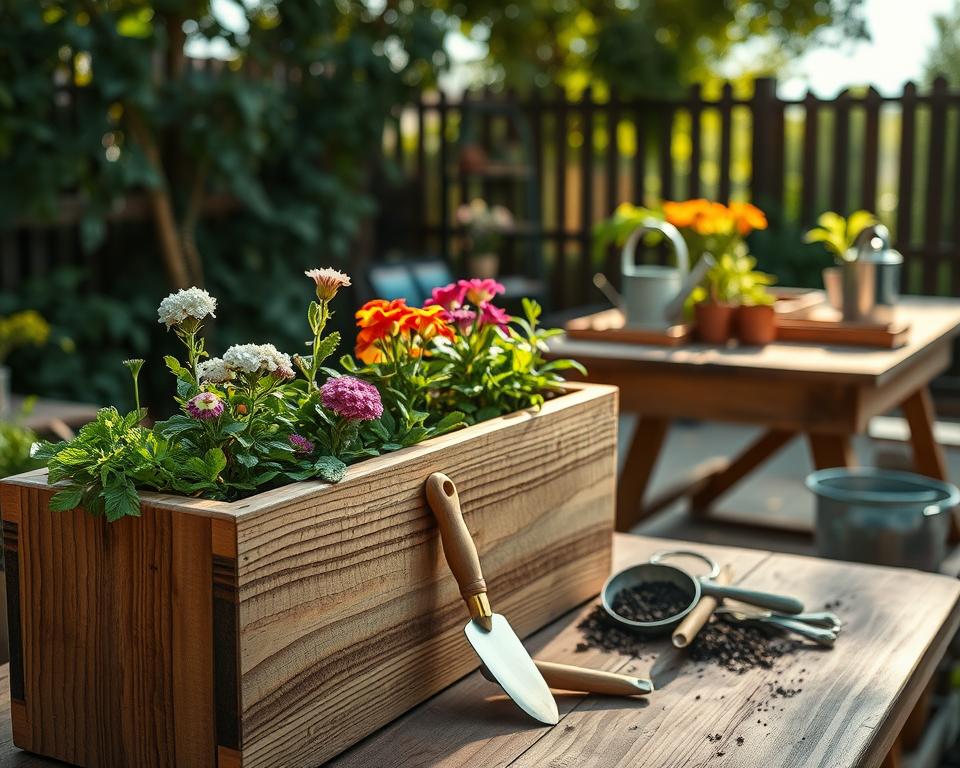
A wood planter box is a great addition to any garden or outdoor area. It lets you grow plants in soil and make your space look better. Making your own planter box can be fun and rewarding. This guide gives you the basics and creative ideas for your next project.
What is a Wood Planter Box?
A wood planter box is a container for growing plants. You can place them almost anywhere, like on patios or balconies, or even inside. They come in different sizes and shapes. This means you can pick one that fits your needs and style.
Benefits of Using Wooden Planter Boxes
Wooden planter boxes offer many gardening benefits:
- Improved drainage: These boxes drain well, which is important for plants to grow healthy.
- Enhanced soil conditions: You can better control the soil, creating the perfect place for your plants.
- Aesthetic appeal: Wood looks natural and adds beauty to any area, enhancing your garden’s look.
- Eco-friendly options: Choosing sustainable wood materials means your garden is good for the environment.
Choosing the Right Wood for Your Project
Picking the right wood for your planter box is important. It affects how long the box lasts and how it looks. There are many wood types, including eco-friendly choices. Let’s dive into the popular kinds, green options, and how quality balances with cost.
Common Wood Types for Planter Boxes
Cedar, redwood, and pine are great for planter boxes. Cedar fights rot and bugs well. Redwood looks good and is also resistant. Pine is cheaper but needs more care. These woods make your garden look better.
Sustainable Wood Options
For green DIY projects, picking sustainable wood matters. Reclaimed wood brings a unique look and reduces waste. Wood from well-managed forests is also a smart choice. These options are good for the planet and make your project stand out.
Quality vs. Cost
Better quality wood is a smart investment. It might cost more at first, but you’ll spend less on fixes later. Think about how long you want your planter box to last before choosing.
Essential Tools for Building a Planter Box
Starting your wood planter box project is exciting. But you need the right tools to make your idea come alive. Whether you’re using homemade instructions or a guide, these tools make the job easier and your finish more professional.
Required Tools for Beginners
If you’re new to this, having basic tools is important. Here’s what you’ll need:
- Miter saw for accurate cuts
- Drill to create holes for screws
- Clamps to secure pieces while assembling
- Measuring tape for precise dimensions
- Square to ensure corners are right-angled
Safety Gear Considerations
Always put safety first. Make sure you have the right safety gear to avoid injuries:
- Goggles to shield your eyes from sawdust
- Gloves for hand protection
- Dust mask to prevent inhaling wood particles
Optional Tools for Advanced Projects
Ready to step up your game? Add these advanced tools to your kit. They’ll make your work faster and your projects look better:
- Router for decorative edges and joints
- Nail gun to speed up assembly
- Sander for a smooth finish
Step-by-Step Guide to Building a Basic Wood Planter Box
Making a wood planter box is a rewarding DIY project. This guide helps you create one from the ground up with easy steps. Gather all your materials and tools to follow the steps outlined here.
Measuring and Cutting Wood
First, figure out how big you want your planter box. A common size is around 4 feet by 2 feet by 2 feet. Then, cut the wood to these measurements, making sure your cuts are clean for a snug fit.
Use a saw to cut the wood by following your DIY wooden plant box plans. Take your time to get accurate cuts. Being precise here really matters for your box’s final look.
Assembling the Planter Box
With all pieces cut, it’s assembly time. Start with the bottom and attach the sides with screws or nails. Make sure each corner is square to keep the box sturdy. Pre-drill holes to keep the finish clean and prevent splitting.
This step is vital for building a wood planter box that endures.
Finishing Touches
After putting it all together, work on the final details. Smooth the edges and surfaces by sanding to avoid splinters. Then, seal or paint the wood to protect it from weather and spruce up its look. Your color choice can show off your style, making your DIY planter even more special.
Decorating Your Planter Box
Decorating your wood planter box DIY project opens up endless possibilities. A stunning finish can make your planter stand out in your garden or patio. Try paint, decorative hardware, and unique designs to make it special.
Painting and Staining Ideas
Choosing the right color can really change how your wooden planter box looks. Outdoor-resistant paints or stains keep it looking great and add color or a natural vibe. Try different finishes like gloss or matte for an extra special touch.
Adding Decorative Hardware
Adding decorative hardware can give your planter box its own personality. Vintage handles, knobs, or corner brackets add style and are useful too. These touches can make your planter an appealing part of your outdoor area.
Customizing with Stencils and Art
Stenciling is a fun way to add a personal touch to your wooden planter box. You can stencil anything that shows off your style or hobbies. Painting on your own patterns or quotes will turn your planter into a showcase of your creativity.
Tips for Planting in Your Wood Planter Box
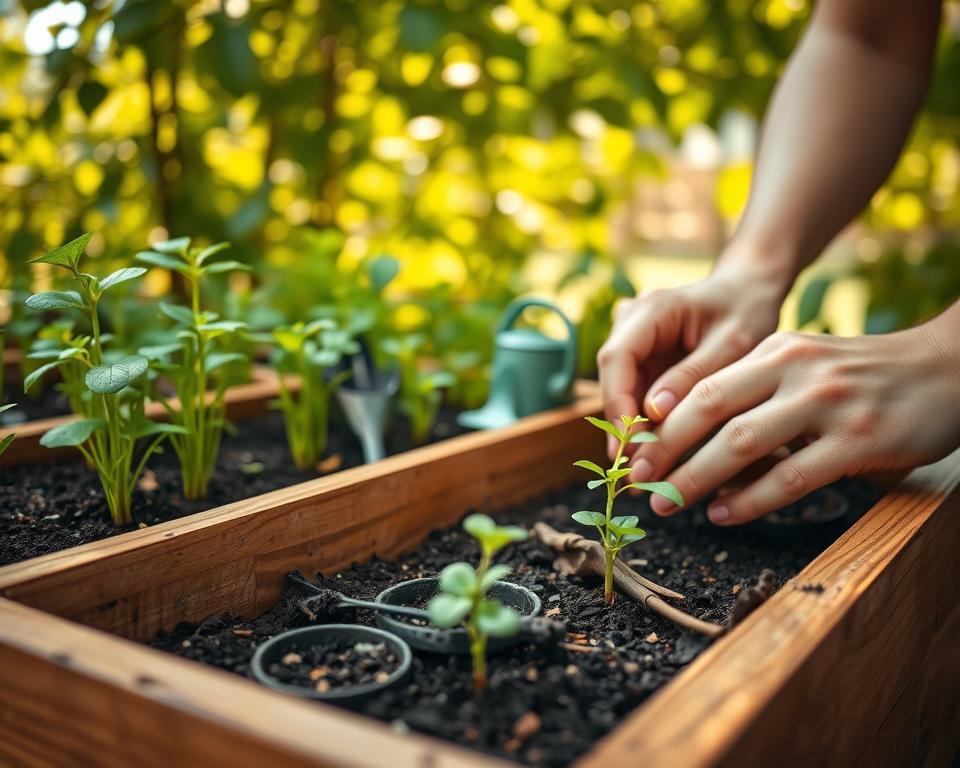
Growing a garden in your wood planter box can be fun with the right tips. Choose the best soil, plant correctly, and take care of your plants well. These tips make sure your plants do well and make your space look great.
Choosing the Right Soil
A good soil is key for healthy plants. It needs to drain well but keep enough moisture. Use soils made for pots or mix potting soil, compost, and perlite yourself.
Planting Techniques for Success
Put plants with similar needs together for best growth. Make sure tall plants don’t block the sun for short ones. Use companion planting to let plants help each other. This keeps your plants healthy and uses your box space well.
Maintenance Tips for Healthy Plants
Looking after your plants well keeps them healthy. Water deeply but not too often to help roots grow. Feed them with organic fertilizers. Always tailor your care to what each plant needs for best results.
| Aspect | Recommendation |
|---|---|
| Soil Type | Well-draining, rich in organic matter |
| Watering | Deep watering, avoid overwatering |
| Fertilization | Organic fertilizers, use sparingly |
| Pest Control | Regular checks and natural remedies |
DIY Wood Planter Box Ideas
Making your own wood planter boxes can change your garden’s look. You can choose from different styles to fit what you like. Get inspired by lots of creative ideas for your next DIY project.
Vertical Planter Box Designs
Vertical planters are perfect for tight spaces. They make your area look good while using less ground. You can fill them with different plants to create a live green wall.
Try using pocket planters or stacking boxes for more effect. They not only use space wisely but also make your outdoor area look great. Your balcony or patio will stand out.
Herb Garden Planters
If you love to cook, you’ll want an herb garden planter. It gives you fresh herbs right where you live, making cooking more fun. Design your planter to hold your favorite herbs, like basil and rosemary.
This way you have what you need close by, ready for cooking. And, your garden looks neat and stylish too.
Planters with Built-In Seating
Planter boxes with seating mix comfort with greenery. They let you relax close to your plants. Choose from bench-style planters or lounges to add both function and beauty.
Your garden or patio becomes a spot where friends like to hang out. It’s more welcoming and great for spending time together.
Elevating Your Planter Box with Legs
Adding legs to your wood planter box diy project can truly change your gardening. It’s not just about style; elevated planter boxes make gardening more accessible and comfortable. This helps when looking after your plants.
Benefits of Elevated Planter Boxes
- Increased accessibility makes gardening easier for individuals with mobility issues.
- Reduced strain on your back when planting or maintaining your greenery.
- Improved drainage and airflow, promoting healthier plants.
- Stylish addition to any garden or patio, creating a modern look.
How to Build Legs for Your Planter Box
Building legs for your planter box is simple. Begin by measuring how tall you want the box for comfort. Cut wood pieces to these measurements. Make sure each piece can carry the box and soil’s weight. Attach the legs to the planter’s base firmly. Using homemade wooden planter box instructions can make this task easier.
Using Wood Planter Boxes for Different Spaces
Wood planter boxes are great for many places. You can use them on a small balcony, a big backyard, or indoors. They add beauty and are very practical. Let’s look at the best ways to use wood planter boxes in different spots.
Small Spaces and Balconies
Small spots, like balconies, need compact designs. You can save space with vertical planters. They look good and are perfect for growing flowers or herbs. Look for a wooden planter box tutorial that shows how to make stacked or tiered designs. This way, you can garden, even in small areas.
Gardens and Backyards
In bigger outdoor areas, large planter boxes catch the eye. You can plant all sorts of things in them, like veggies or flowers. A sturdy wood planter box makes your yard look better. Plus, it’s a great place to garden. Learning how to build one lets you make it fit your yard perfectly.
Indoor Wood Planter Boxes
Wood planter boxes inside make rooms look prettier and feel fresher. They’re good for air quality and bring nature inside. Putting small ones on shelves or tables adds green without using much space. This is a neat way to decorate with plants indoors.
Care and Maintenance of Your Wood Planter Box
Keeping your wood planter box in good shape is key for its longevity. It also makes sure it looks great outdoors or inside. Follow a few easy steps to keep your DIY wood planter box looking its best. Let’s talk about how to take care of your wood planter box.
Cleaning and Preserving Wood
Cleaning your planter box regularly makes a big difference. Use gentle soap and a soft brush to get rid of dirt. Then, put on a protective sealant to save the wood. This step helps stop moisture and rot. It lets you enjoy your wood planter box ideas for a longer time.
Seasonal Maintenance Tips
Each season comes with its own challenges for your planter box. Spring is a time to check for wear or rot from winter. Look for any pests hiding out. In the fall, clean the wood well and treat it for the coming cold. Keeping your planter box in shape all year helps your garden grow.
When to Replace Your Planter Box
Knowing when to get a new wood planter box is important. Check for big cracks, bad rot, or if it’s falling apart. If it’s hurting your plants’ growth, it’s time to get new DIY wood planter box plans. A new, strong planter can make your garden better.
Environmental Impact of DIY Projects
DIY projects make improving your living space fun and creative. They are also good for the planet. Crafting items like wood planter boxes at home has many benefits. It can make your garden and the Earth happier and healthier.
Benefits of DIY over Store-Bought
DIY projects, like making wood planter boxes, help the environment. They reduce the carbon footprint from making, shipping, and packaging products. Doing it yourself lets you add a personal touch. It also makes the impact of wood planter boxes on nature more positive.
Recycling Materials for Planter Boxes
Using recycled materials for DIY projects adds to their green benefits. Wood from old pallets or reclaimed lumber cuts down on waste. It also gives your planter boxes a unique look. This choice reduces the need for new materials, showing the true value of DIY projects.
Supporting Local Wood Suppliers
Choosing local wood for DIY projects is a smart move. It cuts down on transport emissions and helps your community’s economy. Local suppliers often provide better quality wood. This boosts the green benefits of wood planter boxes. Buying mindfully can have a big, positive impact on your garden and the larger world.
| Aspect | DIY Projects | Store-Bought Products |
|---|---|---|
| Carbon Footprint | Lower due to local sourcing and reduced shipping | Higher due to mass production and transportation |
| Materials Used | Often recycled or repurposed | New materials, may lack sustainability |
| Customization | Highly customizable to personal preferences | Limited options, mostly standardized designs |
| Economic Impact | Supports local businesses and economies | Contributes to larger corporate profits |
Conclusion and Next Steps for DIY Enthusiasts
You’ve learned how to make a wood planter box. Now, put those skills to work on new projects. Crafting a planter is just the start. With every project, you get better and more creative. Try different styles, sizes, and plants to make your garden stand out.
Looking for more DIY projects? There are lots of resources online. You’ll find great tips and complex designs online. Connecting with other DIY lovers improves your skills and introduces you to friends who love gardening and making things, just like you.
Showing off your wood planter boxes on social media is rewarding. When you share your journey, challenges, and wins, you encourage others to start DIYing too. Snap a photo, share your story, and let everyone see your creativity. It’s time for your DIY story to blossom!