Did you know almost 90% of our time is spent inside? This raises alarms about the air we breathe indoors. It’s important to have a healthy indoor environment. Natural ventilation in homes can help. It uses fresh air to make homes more eco-friendly. It also cuts down on the need for costly heating and cooling systems. We’ll look at how to make air flow sustainably in homes, the perks, how to do it, and how to make our living spaces healthier.
Natural ventilation is key for better indoor air and saving energy. It also makes homes more comfortable. Let’s explore why it’s a must for modern homes.
Key Takeaways
- Natural ventilation improves indoor air quality, promoting a healthier living environment.
- Implementing eco-friendly home design helps reduce energy costs.
- Various techniques exist for maximizing sustainable airflow systems.
- Proper home layout and window placement can enhance ventilation effectiveness.
- Understanding local energy codes is crucial in implementing natural ventilation.
- Natural ventilation offers a viable alternative to mechanical ventilation, especially in certain climates.
What is Natural Ventilation?
Natural ventilation is a method used in eco-friendly homes to bring fresh air indoors by using outdoor conditions. It helps green building efforts by reducing the need for artificial cooling and heating. It’s important to know how natural ventilation works and its benefits.
Definition and Basics
Natural ventilation happens when air moves in and out of a building through designed openings, without machines. It relies on wind and thermal differences to keep air flowing. Passive cooling methods are essential, they let buildings stay cool without electric air conditioners. There are two main ways that natural ventilation works:
- Wind Effect: Air comes in through one side of the building and goes out the other, cooling the space.
- Stack Effect: Hot air rises and leaves, causing cooler air to come in from lower places.
How It Works
By placing windows and vents smartly, homes can use natural winds and temperature changes to exchange air inside. This makes indoor spaces comfortable without much energy use. Homes built with this in mind are not only comfy but also save energy.
Benefits of Natural Ventilation
Natural ventilation offers many benefits for a healthier, more efficient home. It improves indoor air quality by using natural airflow. This means big savings on energy costs and a comfy home environment.
Improved Indoor Air Quality
The biggest perk of natural ventilation is *better indoor air quality*. Fresh air continuously replaces old, polluted air inside. This keeps indoor pollutant levels low, making homes healthier.
Energy Efficiency Savings
Using natural ventilation saves a lot on energy bills. It cuts down on the need for air conditioners, lowering energy use and carbon emissions. Wind and temperature differences make homes more energy-efficient.
Enhanced Comfort
Natural airflow keeps home temperatures steady. Whether it’s hot or cold outside, this makes homes more comfortable. Natural ventilation creates a nicer living space.
Types of Natural Ventilation Techniques
Homes can have better air circulation with various natural methods. These methods match different building styles and weather conditions. Homeowners can choose from three main techniques: cross ventilation, stack ventilation, and night ventilation. These options boost comfort and lower energy use.
Cross Ventilation
Cross ventilation moves air through spaces via openings on opposite sides. Cool air comes in, and warm air goes out, making it a top cooling method. For the best air flow, windows, doors, or vents are placed carefully. In areas with steady winds, this method can cut down on the need for electric cooling.
Stack Ventilation
Stack ventilation uses the idea that hot air goes up. This method replaces warm air with cool air from lower levels, saving energy. It works well with other cooling methods for better climate control.
Night Ventilation
Night ventilation cools homes during the cooler parts of the evening. Windows and vents open after sunset to let cool air in and warm air out. This works best in places where day and night temperatures vary a lot. It’s a great part of eco-friendly home venting.
Designing a Home for Natural Ventilation
When making an eco-friendly home, several key parts are important for natural airflow. The home’s layout helps guide air, while placing windows right can boost air moving through. Also, modern roofs help air move, keeping homes cool and saving energy, fitting green building goals.
Layout Considerations
A smart layout is key for airflow in homes using natural ventilation. Open plans let air move freely, avoiding blocked spaces. This lets breezes flow easily. Having different areas for various uses helps keep temperatures balanced, making it comfy all year.
Window Placement Strategies
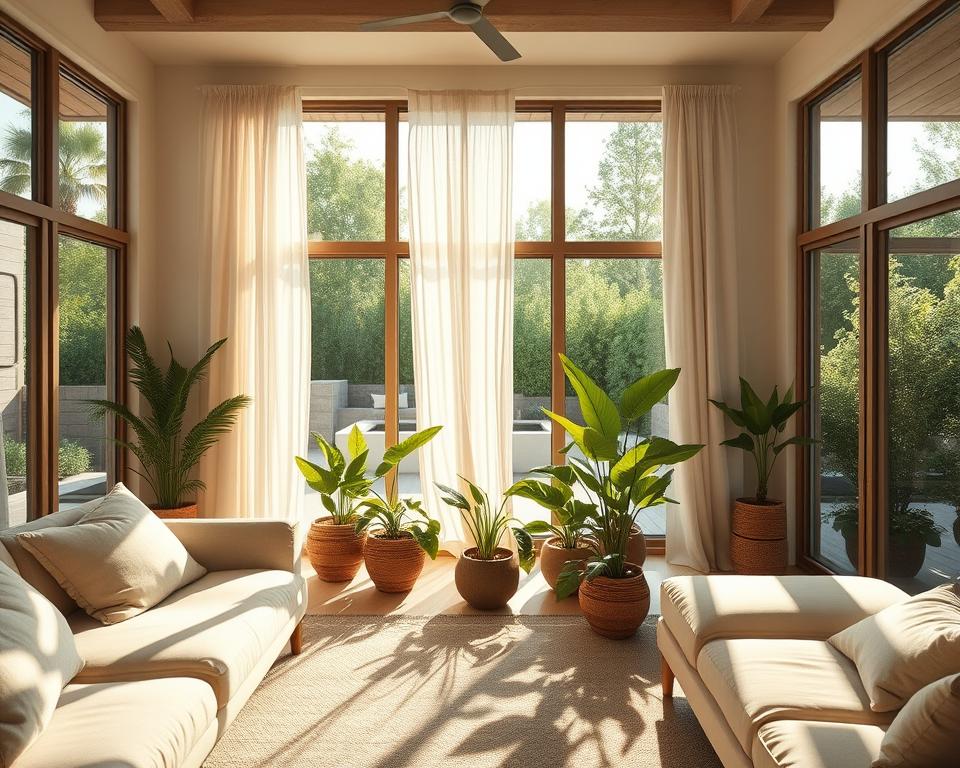
Putting windows in the right places is crucial for green homes. Place windows opposite each other for good cross-ventilation. Also, choose windows you can open or close based on the weather to make the most of natural breezes. The windows’ size and type, like casement or awning, also affect air entry.
Roof Design Innovations
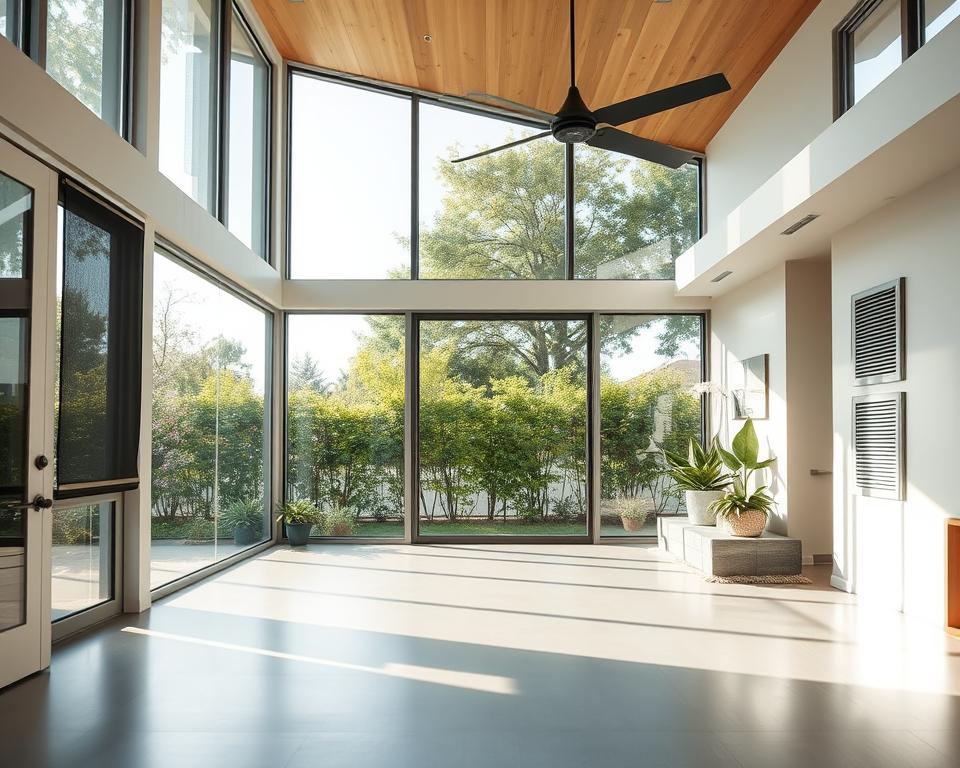
Using operable skylights in roofs can really help air move in a home. Not only do they look good, but they also let hot air go up, pulling in cool air from below. This way of using natural cooling is vital for eco-friendly homes.
Common Myths About Natural Ventilation
Many myths surround natural ventilation homes, clouding their true benefits. A widespread false belief is thinking it’s inefficient. This ignores the energy savings from a well-planned airflow system. By using natural processes, we can greatly cut down on mechanical systems. This results in lower bills and helps the environment.
Some also wrongly believe natural ventilation only works in mild weather. They think homes in places with very hot or cold weather can’t use eco-friendly designs. This isn’t true. With smart planning and creative designs, natural ventilation can work well anywhere. It can cool homes in summer and keep them warm in winter.
| Myth | Reality |
|---|---|
| Natural ventilation is inefficient | Can lead to substantial energy savings and reduce reliance on mechanical systems |
| Only effective in mild climates | Performs well in diverse climates with proper design |
Natural Ventilation vs. Mechanical Ventilation
Understanding natural versus mechanical ventilation is key for good home air management. Both types improve air quality but work differently. Natural ventilation uses things like wind and temperature changes for air flow. Mechanical ventilation, however, uses fans and systems to move air. When choosing energy-efficient ventilation, consider the pros and cons of each method.
Key Differences
| Aspect | Natural Ventilation | Mechanical Ventilation |
|---|---|---|
| Energy Consumption | Low energy costs due to passive methods | Higher energy usage for operating systems |
| Maintenance | Minimal maintenance required | Regular maintenance needed for fans and ducts |
| Climatic Dependence | Effective in suitable climates | Consistent performance regardless of climate |
| Air Quality Control | Natural exchange of fresh air | Precise control of air exchange rates |
Advantages and Disadvantages of Each
Natural ventilation supports green ideas and sustains low carbon footprints. It’s easy to include in home designs and costs less to run. It uses natural breezes and temperature shifts well, adding to comfort. But, it’s less effective in harsh weather.
Mechanical ventilation can be pricier due to energy and upkeep, but gives constant airflow. This is key in tightly sealed homes or polluted areas. Weighing these factors helps decide the best air solution for your home.
Climate Considerations for Natural Ventilation
When looking into natural ventilation for homes, checking the climate is key. Some climates work well for creating a good airflow system. But, others might bring up issues that could lower its performance.
Ideal Climates for Implementation
Dry and breezy climates are perfect for natural ventilation. Here, the outside air can cool inside areas well, cutting down on the need for other cooling systems. Places with less moisture have better air flow. This makes the air inside cleaner and the temperature more comfortable.
Challenges in Humid Areas
On the other hand, humid climates can make natural ventilation tough. Too much moisture can hold in heat and help mold and allergens grow. People living in these places should be careful when planning their air systems. Adding things like good drainage and barriers against air can help keep the airflow system working well, even when it’s tough.
Implementing Natural Ventilation in Existing Homes
Adding natural ventilation to old homes boosts comfort and eco-friendliness. If you want a green home, check how air moves in your space. You can find ways to improve airflow with some changes that also make your home more eco-smart.
Assessing Your Home’s Potential
See how windows are placed and look for outside blocks. A home with open spaces has better air flow. Find rooms that are too warm and plan how to let air move freely through them.
Retrofits and Modifications
Small upgrades can really help with ventilation. Putting in new windows or moving them helps air get around. Install vents where needed for better air movement. Add fans in the kitchen and bathroom to pull moist air out. This also makes your home nicer to live in by pushing fresh air everywhere.
| Modification Type | Description | Benefits |
|---|---|---|
| Window Replacement | Swap single-pane windows for double-glazed options that open easily. | Enhanced insulation and improved airflow. |
| Operable Vents | Install vents that can be opened allowing for directed airflow. | Increased natural ventilation and reduced reliance on mechanical systems. |
| Exhaust Fans | Integrate fans in kitchens and bathrooms to eliminate humidity. | Maintains air quality and comfort levels. |
| Strategic Layout Changes | Rearranging furniture and openings for optimal airflow. | Maximized circulation, creating a refreshing living environment. |
Natural Ventilation and Energy Codes
When you think about homes with natural ventilation, it’s key to know your local energy codes. These rules help figure out how to mix efficient ventilation with your home’s design. It’s important for homeowners to know these standards. This ensures their systems are safe and work well.
Understanding Local Codes and Regulations
Building design, including ventilation, is covered by local codes. These often focus on saving energy and protecting the environment. Knowing the rules in your area means your natural ventilation will be legally sound and stay efficient.
Compliance Tips for Homeowners
- Research your local energy codes to understand the requirements for natural ventilation systems.
- Consult with a certified builder or architect familiar with energy-efficient ventilation solutions.
- Incorporate features that maximize airflow while complying with safety standards.
- Regularly review any updates to local regulations that might affect your home’s ventilation system.
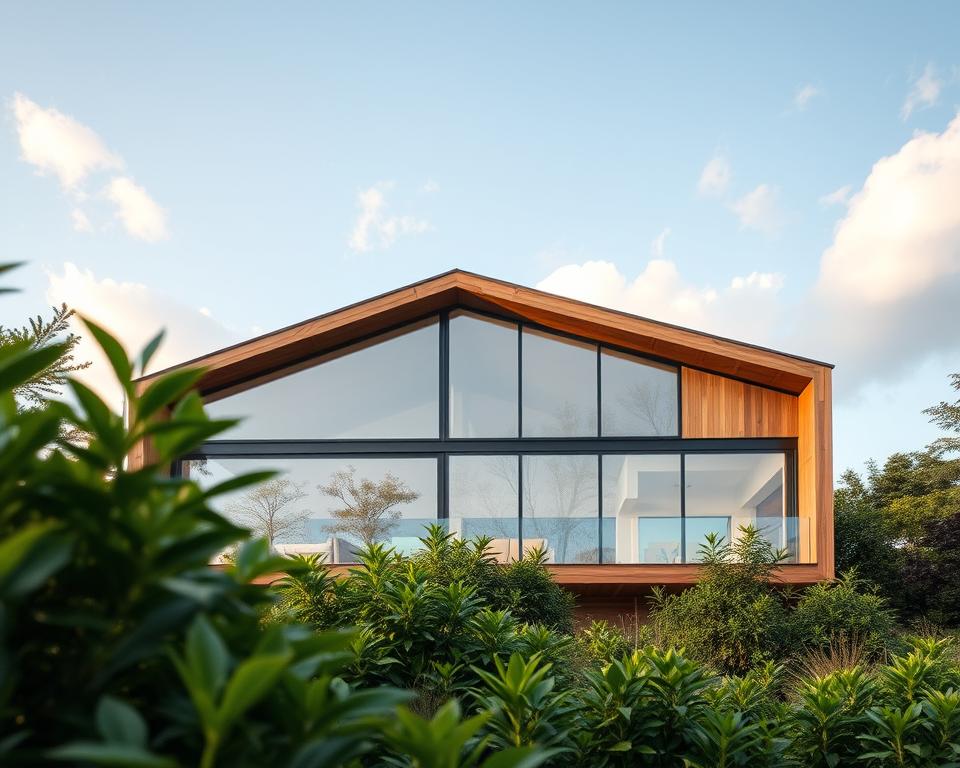
By staying up to date and active about local laws, you can have a sustainable airflow system that meets regulations. This improves your living space and makes your home more efficient.
| Aspect | Energy Codes Focus | Impact on Natural Ventilation |
|---|---|---|
| Air Quality Standards | Promote fresh air circulation | Enhances indoor comfort and safety |
| Energy Efficiency | Encourages reduced energy consumption | Supports the use of passive ventilation methods |
| Safety Regulations | Ensures compliance with building codes | Affects design and placement of ventilation openings |
Real-Life Examples of Natural Ventilation
Around the world, innovative homes prove that natural ventilation works well. These homes use smart airflow methods to stay cool. They are great examples for new buildings.
Innovative Homes Incorporating Natural Ventilation
Architects are now using passive cooling to make homes more comfortable. The Treehouse in the Netherlands gets fresh air from special openings. The Green House in California uses natural air and other methods to cut down energy use. These houses show how to stay cool and green.
Case Studies Showcasing Success
Looking at real houses shows the power of natural air. The Zero Energy House in Canada uses smart design to replace air conditioning. This house saves energy and keeps the air inside fresh and healthy.
Tips for Maximizing Natural Ventilation
To get the best airflow, changing your approach with the seasons is key. By adjusting windows according to the weather, you can keep your home feeling just right. These steps help make sure your green ventilation works well, keeping the air fresh and cutting down on energy use.
Seasonal Adjustments
In the warm months, open windows when it’s cooler outside. But close them when it gets really hot in the middle of the day. When it gets colder, make sure windows are sealed to stop drafts. Yet, let in some sun on bright days to naturally warm your home.
Maintenance Best Practices
Keeping your ventilation system in check is important for it to work efficiently. Make sure nothing is blocking the air from moving freely. Cleaning and checking regularly means better air and a system that lasts longer. This keeps your home’s air clean and saves energy.
Conclusion: The Future of Natural Ventilation in Homes
Natural ventilation’s future is shining bright as more and more homeowners see its value. They’re choosing it for sustainable living. Combining natural airflow with smart tech is becoming popular. It boosts energy saving and fits green building ideas well. Homeowners should keep up with these trends to choose well for their air flow needs.
Thinking of adding natural ventilation to your home? Start by checking your place’s wind patterns. Look for spots where air can move better. Using cross and stack ventilation methods helps. They improve air quality and cut down on energy bills, making your home comfier.
Natural ventilation is key for modern, eco-friendly homes. It’s not just a passing fashion; it’s vital for energy-smart building. Adopting it does good for your house and the earth. Let’s aim for a future where natural ventilation is standard. It’ll lead us to healthier, greener living spaces.