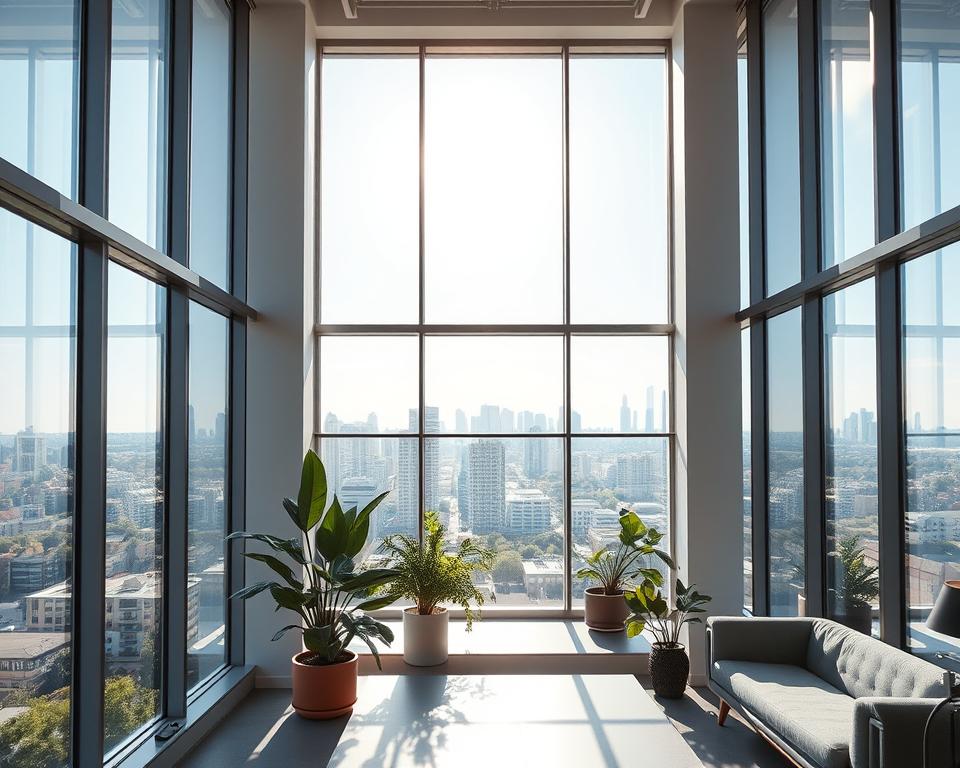
Did you know properly placing your windows can cut energy costs by up to 30%? That’s significant savings. The right window locations can change how much you pay for utilities. They also make your home more comfortable and visually appealing. This article will discuss why placing windows smartly is essential. It boosts natural light, makes homes look better, and saves energy. With the right tips, anyone can design spaces that are both beautiful and efficient. This adds value and style to any home.
Key Takeaways
- Proper window placement can lead to significant energy savings.
- Strategic window positioning enhances natural light and comfort.
- Effective window design can improve a home’s aesthetic appeal.
- Well-thought-out layouts contribute to higher property values.
- Understanding local climate can guide optimal window choices.
Understanding the Importance of Window Placement
Window placement is key to a comfortable and functional space. The right position affects a room’s feel. Homeowners and designers should think about this to get the most from natural light. This makes a space more livable.
Benefits of Proper Window Placement
Good window placement has many benefits. It lets in more sunlight, making rooms brighter and more inviting. Better air flow makes indoor spaces comfy. Also, windows can show off stunning views, connecting us to the outside world.
How Placement Affects Natural Light
Natural light makes a space warm and open. The direction windows face changes how light comes in during the day. For example, south-facing windows get lots of sunlight, which brightens a room. The right placement reduces glare and improves light, making spaces welcoming.
The Role of Views and Aesthetics
Windows are more than functional; they make homes beautiful. Placing windows thoughtfully can highlight amazing views. They can be the centerpiece of a room’s design. Windows that show off nature or architecture add beauty and peace, connecting us with the outdoors.
Factors to Consider When Choosing Window Placement
Choosing where to place windows is important for both how your home works and looks. You have to think about things like how much sun comes in, the weather, and how your rooms are set up. By following smart tips for where to put windows, you can make sure they fit your needs perfectly.
Orientation and Sunlight Exposure
The direction your windows face towards the sun matters a lot. Windows facing south get sunlight all day, which is nice in the cold months. But north-facing windows give you steady light without too much brightness, perfect for rooms that need constant light. Knowing this helps you place windows just right.
Local Climate Conditions
Your local weather affects where you should put windows. In hot places, you might use shades or awnings to keep cool inside. Putting in windows with care means they’ll help save energy and stand up to bad weather.
Interior Layout Considerations
The inside of your home should also influence where you put windows. They should make each room better and go well with how you arrange your furniture. Placing windows thoughtfully can make your home more comfortable. It can help with airflow and light, making your living space nicer.
| Factor | Details | Examples |
|---|---|---|
| Sunlight Exposure | Orientation of windows affects light and heat. | South-facing for warmth, north-facing for consistency. |
| Local Climate | Climate dictates window design and placement. | Shading techniques for warmer regions. |
| Interior Layout | Windows should complement room functions. | Align with furniture for optimal viewing. |
Common Types of Window Placement Strategies
Choosing the right window placement strategy impacts a space’s look and function. Knowing different configurations helps homeowners enhance their environment. Here are some common strategies for window layout.
Vertical vs. Horizontal Placement
Vertical windows can make rooms feel taller and more open. They work well in rooms with low ceilings. Horizontal windows, however, can extend views and connect you to the outdoors. Mixing both styles helps balance a room perfectly.
Corner Windows and Their Benefits
Corner windows add a special touch and can change how a room feels. They offer wide views and bring in lots of light. This makes the room seem larger and connects it with nature.
Utilizing Skylights for Natural Light
Skylights are great for bringing light to dark areas. They make spaces lively and full of energy. By adding skylights, you can brighten your home and create a pleasant atmosphere.
Analyzing the Impact on Energy Efficiency
Window placement is key to a house’s energy efficiency. It affects energy loss and comfort. Poor window placement leads to high heating and cooling costs. But good strategies improve energy savings.
Energy Loss and Window Placement
Windows’ placement affects a home’s energy use. Windows in direct sunlight increase summer heat, making air conditioners work harder. In winter, bad insulation means heat loss and higher heating bills. Proper placement helps keep temperature steady all year.
Benefits of Double-Glazing
Double-glazed windows boost thermal performance. They have two glass layers, offering better insulation than single-pane windows. They cut heat transfer, ideal in extreme climates. This lowers utility bills over time.
Thermal Performance Considerations
A smart window strategy uses natural light to improve warmth. Positioning windows for passive solar gains helps in colder months. It cuts down artificial lighting and heating. Correct shading or angling stops summer overheating, for comfort indoors.
| Window Type | Energy Loss (U-Value) | Benefits |
|---|---|---|
| Single-Glazing | 1.0 | Basic visibility, low cost |
| Double-Glazing | 0.3 | Enhanced insulation, energy savings |
| Triple-Glazing | 0.15 | Maximum insulation, ideal for extreme climates |
Enhancing Indoor Air Quality Through Placement
Proper window placement improves the air inside our homes. It lets fresh air flow better. By positioning windows smartly, we make sure air moves well inside.
Ventilation and Airflow Strategies
Effective ventilation can make indoors feel more comfortable. Windows placed opposite each other create a nice breeze. Knowing where to place windows helps us breathe cleaner air and feel more at ease.
Incorporating Operable Windows
Operable windows are key for good air. They open up to let fresh air in and clear out pollutants. Making sure windows are easy to use means they’ll be opened more often, helping keep the air clean.
The Link Between Fresh Air and Health
Fresh air is important for our health. It keeps allergens low and balances the indoor climate. Paying attention to how windows are positioned can boost our well-being by improving the air we breathe.
Architectural Styles and Window Placement
Windows play a big role in showing off a home’s architectural style. They affect both how a house looks and works. Traditional homes usually have windows that match up and look classic. Modern homes often go for big or uneven windows for a more current vibe. Knowing about architecture helps place windows just right, making the house look and feel good.
Traditional vs. Modern Home Designs
Traditional houses like windows that match and line up well. These windows usually line up with the house’s details for a harmonious look. On the other hand, modern homes get creative with windows. They use big glass panes or unusual shapes to bring in more light. This shows how using windows differently can change a room’s mood.
Adaptive Styles That Use Unique Placement
Adaptive styles mix different architectural ideas for both beauty and function. They often use special window designs or setups. This can make the home look better and work better, while still fitting its original style.
Compatibility with Existing Structures
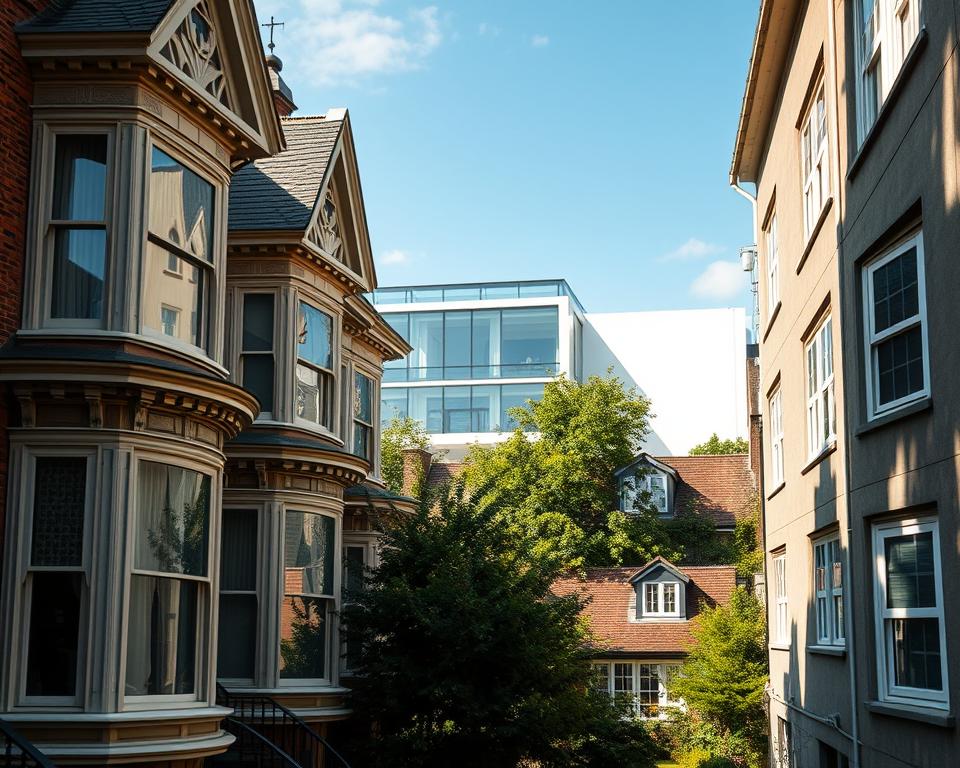
When adding new windows, it’s important they look right with the building. They should match or improve the building’s look. Choosing the right style, size, and placement of windows is key. It helps modern features blend in without losing the building’s classic vibe.
Tips for Optimizing Window Placement
Optimizing window placement can improve your home’s ambiance and functionality. Effective window layout changes how a space looks and feels. Here are some tips that can help guide your window placement decisions.
Experimenting with Window Size and Shape
Trying different sizes and shapes of windows can lead to amazing results. Larger windows increase natural light and make spaces look bigger. Meanwhile, smaller windows can create private and cozy spots, adding to your home’s charm.
Creating Visual Interest with Groupings
Grouping windows together can grab attention and create interest. This technique enhances natural light and adds a unique feature to your house. For a more striking effect, play with the windows’ heights and widths but make sure they match your house’s style.
Avoiding Obstructions in Placement
It’s important for windows to have clear views and let in light. Check for trees, fences, and furniture outside that might block light or views. Choose places for your windows that ensure they offer great views and light throughout the day.
Planning Window Placement in New Builds
Planning window placement is crucial when building a new place. It helps increase natural light, save energy, and make the space look better. Working with architects and designers lets you create a plan that fits the home’s look and feel.
Working with Architects and Designers
It’s important to talk to experts early when designing. They know how to place windows just right, considering things like direction, weather, and room layout. Their know-how ensures the windows will match the building’s look perfectly.
Window Placement on Blueprints
Choosing where to put windows on the blueprints is a big deal. You want to pick spots that get a lot of sunlight and air. This step helps picture how the windows will make the design work better, by adding beauty and function.
Incorporating Technology in Design
Adding new tech to window design improves how they work and saves energy. Smart windows can adjust light and heat for a greener home. Planning these features early means your home will not only look modern but also be ready for the future.
Window Placement for Renovations
Redoing a space is a great chance to look again at where your windows are and make them better. Thinking carefully about where to place windows can really help with natural light, saving energy, and making your home more comfy. Here are some important points to think about when you’re deciding where windows should go during renovations.
Assessing Current Placement for Improvements
Start by checking how good your current windows are. Look for places that don’t get much light or where it feels too hot or too cold. Knowing this can help you make smart changes. Think about moving windows around or using different shapes or sizes to get better results.
Renovation Case Studies
Learning from others’ renovation successes can give you ideas. For example, adding big windows from floor to ceiling made a living room brighter and more energy-efficient in a mid-century modern house. Changing a window’s place in a small kitchen to a different wall brought in much more light, making the room more welcoming. These stories show how changing where windows are can really change a space.
Budget-Friendly Placement Changes
Adjusting windows doesn’t have to cost a lot. Small changes, like picking energy-saving window types or just moving where windows are, can make a big difference without a high price. These affordable choices fit well with plans to make your place look and work better. Also, using window films or covers is a cheap way to let in more light.
Local Codes and Regulations on Window Placement
When you’re planning where to put windows, it’s key to know local rules. Each area has its own building codes for window design and location in buildings. By understanding these rules, you can make sure your windows are both safe and stylish.
Understanding Building Codes
Building codes are crucial for safety and building strength. They set the rules for window sizes and heights to ensure people can escape in emergencies. It’s important to look into these codes before designing. This avoids costly errors and keeps your plans legal and safe.
Permits and Zoning Requirements
Before installing windows, getting permission is a must. Zoning laws might limit window placement, especially in historical or special design areas. Talking to local officials helps you know which permits you need. This ensures your window project goes smoothly and follows the rules.
Compliance with Safety Standards
Following safety standards is vital for all homeowners. Many places have rules about how windows should be made to keep everyone safe. This includes using certain glass types, frames, and construction quality. Following these standards is not just about the law; it’s about keeping people safe from danger.
Trends in Window Placement for 2024
2024 is bringing big changes to window design. Designers and homeowners are looking at new materials and styles. They aim to make windows look good and work better. Plus, we’re seeing a push for sustainable options and tech that changes our living spaces.
Innovative Materials and Designs
Architects are choosing unconventional materials for a fresh look and better energy savings. They’re using glass that cuts down on glare, textured surfaces, and eco-friendly frames. Also, windows come in new shapes and sizes, adding creativity to buildings.
Eco-Friendly Considerations
Being green is a big deal in window design now. Windows that keep heat in and use recycled materials make houses greener. People want products that bring in sunlight but are good for the planet too.
Smart Home Integration
Smart tech is changing how we place windows. Windows can now automatically adjust to control light and heat. This is great for saving energy and making life easier. With smart windows, people can better manage air flow and sunlight in their homes.
Conclusion: Final Thoughts on Window Placement Strategy
Wrapping up our journey into window placement, we’ve seen how the right setup can boost your home’s vibe. It can improve energy use and make your home look better. The main points show the value of placing windows carefully. This means letting in more sunlight and fresh air. Also, think about how your house looks and the weather in your area.
If you own a home, you should check your windows. Think about updates that match new design ideas. By looking closely at your space, you can choose wisely for your lifestyle. This way, your home becomes more comfortable and lovely. Putting your windows in the right spots is key. It’s about more than looks; it makes your home work better.
Future designs might include smart tech and green materials for your windows. Keeping up with trends can help you make the best choices for your window setup. This ensures your home stays modern and cozy for a long time.