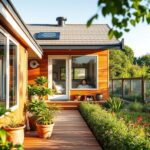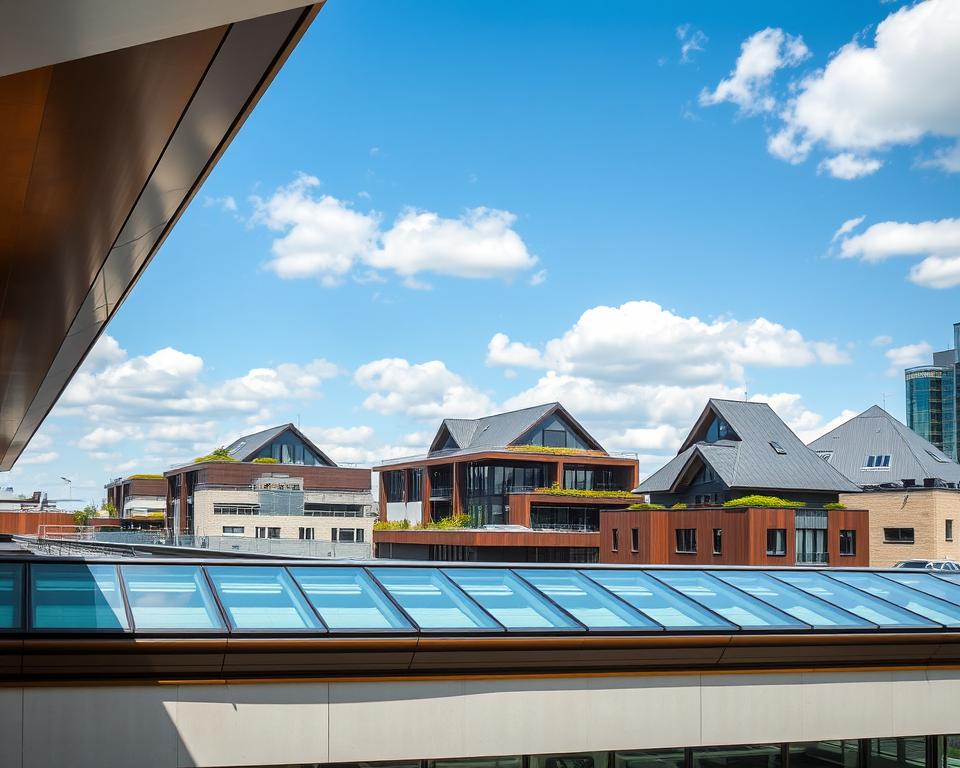
A great roofline can up home appeal by 15%. This fact shows how vital modern roof styles are in today’s architecture. Rooflines do more than just protect from weather; they are key features that improve a home’s look. As architecture has grown, new roofline styles have come into play. These allow for creative and fresh roofing designs. Picking the right modern roofline design can make your home more beautiful and valuable.
Key Takeaways
- Roofline modern styles play a crucial role in enhancing curb appeal.
- Contemporary roofline design reflects current architectural trends.
- Well-defined rooflines can boost property value.
- Innovative shapes in roofing allow for creative expression.
- Material selection is vital in modern roofline trends.
Overview of Modern Roofline Styles
Today, modern roofline styles have changed the design of homes and buildings. These rooflines are both useful and stylish. They mix clean lines and simplicity, showing the artistic side of architecture.
Key Characteristics
Modern rooflines are known for specific features. These include:
- Clean lines that bring out simplicity and beauty.
- Minimalistic designs for a clear look.
- Using different materials for strength and appealing looks.
These features make trendy rooflines that fit today’s style. Flat roofs and unique shapes offer extra space outside, showing modern architecture’s core.
Benefits of Modern Designs
Choosing modern rooflines has many perks. Some benefits are:
- Energy efficiency with eco-friendly materials and clever designs.
- Lasting durability, even in tough places.
- Chances to use rooftops fully with flat designs.
These modern choices meet the needs of current homeowners. They make adding outdoor areas to homes easier. This mix of useful and beautiful designs meets modern life needs. It shows roofline options that combine looks and usefulness without effort.
Popular Roofline Shapes
Different rooflines add style and character to modern buildings. Each shape combines good looks with practical benefits. They meet all sorts of tastes and needs.
Gable Roofs
Gable roofs are a top choice for many. They offer a big interior and handle rain well. These roofs work with many materials, adding to their popularity.
Their steep slope makes them look great, too.
Flat Roofs
Flat roofs offer a modern, minimal look. They make room for gardens or patios on the roof. This lets people live in greener ways and use space smartly.
Shed Roofs
Shed roofs have a single slant and look modern. Their angle is great for shedding water. It also lets in more light and can make rooms feel bigger.
Butterfly Roofs
Butterfly roofs stand out with their unique upside-down look. They bring in lots of light and look amazing. These roofs make interiors shine and homes stand out.
Materials Commonly Used
Looking at modern roof styles, the materials matter a lot. They affect both how a roof works and looks. The latest trends aim for roofs that last longer and help save energy. Let’s look at some top materials used in modern roofs.
Metal Roofing
Metal roofs are now very popular. They last a long time and are good for saving energy. They come in many colors and styles. This makes them flexible for different house designs. Their ability to reflect sunlight helps cut down cooling costs.
Asphalt Shingles
Asphalt shingles are a favorite for many. They are easy to find and don’t cost a lot. They come in many colors and styles. This makes it easy to find shingles that fit any house look without spending a lot.
Eco-Friendly Options
There’s a growing demand for roofs that don’t harm the environment. Sustainable roofing like recycled shingles, living roofs, and solar panels are becoming more popular. These options not only are good for the planet but also add unique touches to a home. Using these materials shows care for the environment.
Architectural Influences on Roofline
Architectural styles deeply influence new roofline ideas. They shape what homeowners and architects decide to do. Modern architecture, especially minimalism and contemporary styles, leads to unique, beautiful, and practical roof designs.
Minimalism
Minimalism is all about simplicity and elegance. It favors clean lines and reduces extra details. This style makes rooflines look sophisticated yet functional. For a sleek appearance, flat and gable roofs are popular choices in minimalist design.
Contemporary Design
Contemporary design is inspired by the latest architectural trends. It features bold shapes and innovative forms. This style encourages creative roof designs that stand out. In urban areas, the mix of materials and unique angles creates an eye-catching modern look.
Regional Variations in Rooflines
Across the United States, regional influences shape the style of rooflines. The East Coast and the West Coast each have their own look. This reflects the areas’ climates and cultures. Learning about these variations helps us appreciate modern roofline styles. It shows how geography affects architecture.
East Coast Trends
The East Coast mixes old styles with practical features. Gable roofs are common. They are good at shedding snow in winter. The use of dormers and detailed designs adds charm. These features are based on traditional styles. They make buildings welcoming but still practical.
West Coast Innovations
The West Coast, on the other hand, goes for new and different shapes. This suits its warmer weather. You’ll find flat and butterfly roofs here. They help with water runoff and encourage using outdoor areas. This style fits well with the lifestyle and scenery. It makes houses blend easily with their surroundings. These designs are all about being open and flexible.
The Impact of Climate on Roof Design
Local weather patterns heavily influence roof design choices. It’s key to adapt to these conditions to keep roofs lasting longer and working well. By choosing the right roofline solutions for their area, homeowners can protect their homes.
Wind Resistance
High wind areas need roofs designed for stability. Roofs like hip roofs are shaped to fight against wind. This design helps prevent damage during heavy storms, making it vital for places with harsh weather.
Snow Load Considerations
In snowy areas, roofs must handle the snow’s weight. Steep roofs help snow slide off, stopping build-up and possible damage. Choosing the right roof design for the climate keeps homes safe from heavy snow.
Combining Roofline Styles
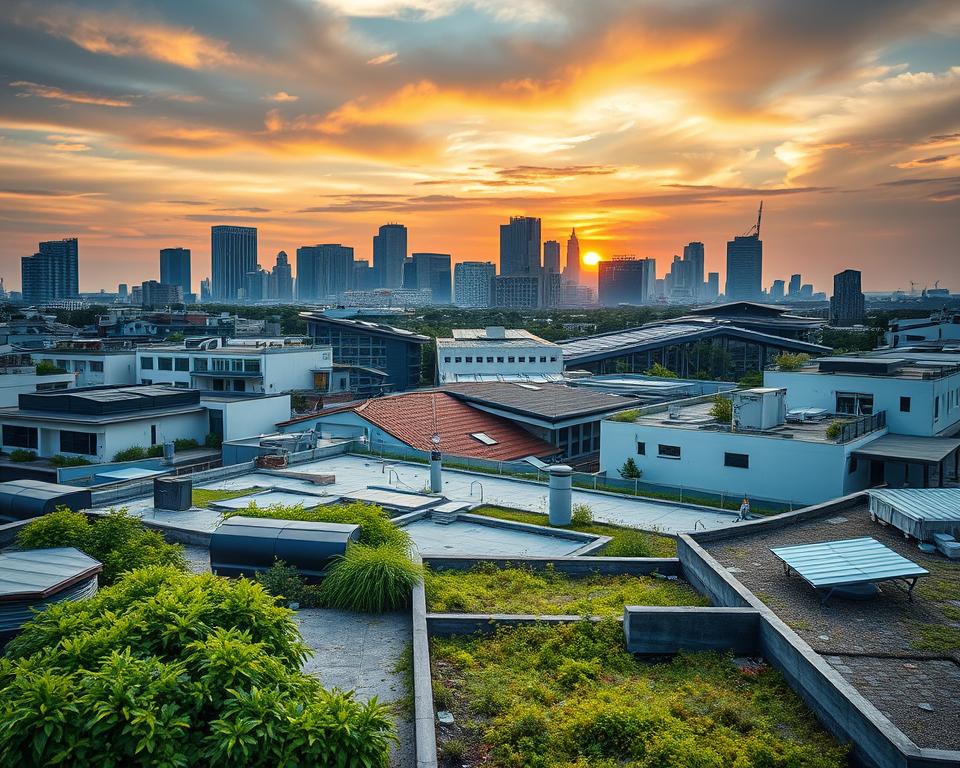
Mixing different roof styles offers a unique chance for creative design in architecture. Homeowners can mix classic features, like gables, with newer, flat roofs. This creates a stylish look that also keeps the structure strong.
Blending Traditional and Modern
When mixing old and new styles, think about roofline options that look good together. A gable and a flat roof can look great using the same materials. This blend catches the eye and combines the best of both worlds.
Achieving a Cohesive Look
To get a unified look, choose materials and colors that match well. This harmony adds beauty and balance to your home. Adding stylish features, like fancy trims, makes the different styles connect better. A smart blend of these elements leads to a design that’s both useful and attractive.
| Roofline Style | Characteristics | Benefits |
|---|---|---|
| Traditional Gable | Triangular shape, steep pitch | Classic appeal, good for water drainage |
| Modern Flat | Sleek, minimalistic design | Cost-effective, contemporary look |
| Combination | Integration of gables and flats | Unique aesthetic, versatile design options |
Maintenance Tips for Modern Rooflines
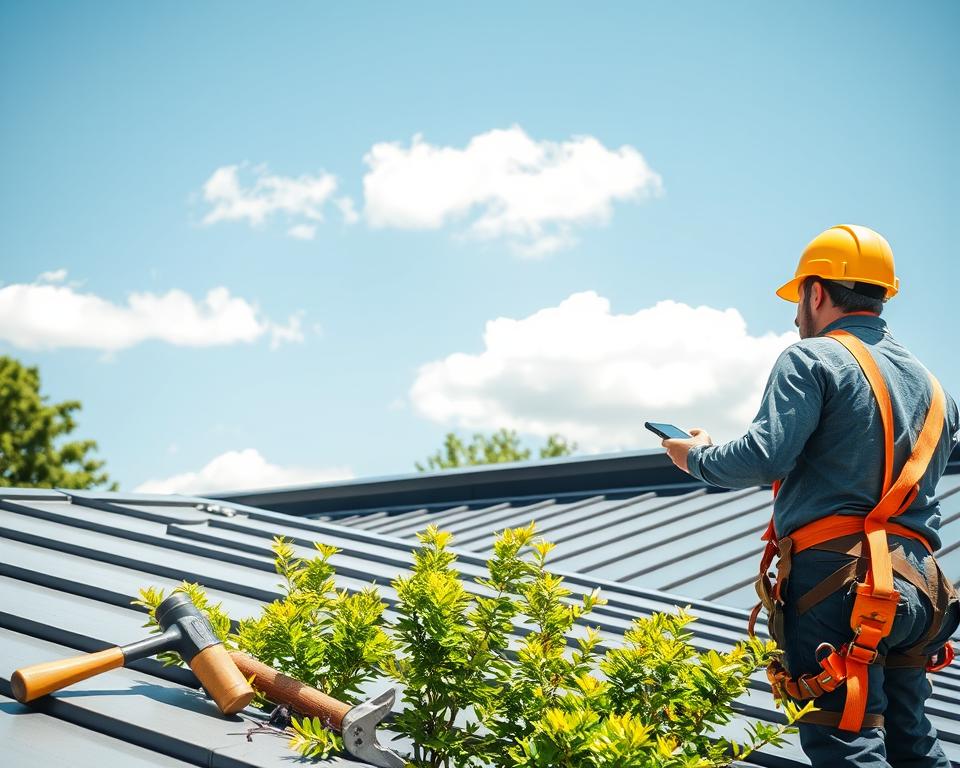
To keep modern rooflines looking great, you need to stay on top of things. It’s important to do regular checks to spot problems like leaks or damage early. Doing maintenance helps keep the roof’s looks and function in shape. Make sure to clean your roof well to help it last longer.
Regular Inspections
It’s key to inspect your roof often to keep it in good shape. Look closely for any signs that something is wrong. Pay special attention to:
- Gutters: Ensure they are clear of debris to avoid water backup.
- Flashing: Inspect seals around joints for gaps or wear.
- Shingles or panels: Look for cracks, curling, or discoloration.
Doing these checks at least twice a year helps you fix issues fast. This is a big part of good roof maintenance.
Cleaning Techniques
Cleaning your roof the right way is very important. Use these steps to keep your roof and gutters looking great:
- Remove debris from gutters and downspouts to ensure proper drainage.
- Use a soft brush to gently clean the roof surface, eliminating moss or algae.
- Hose down the roofing with water to remove dirt and buildup.
Adding these steps to your maintenance routine will help your roof and gutters stay in top shape.
Roofline in Landscape Design
Rooflines crown structures and link homes with the environment. They blend with modern landscapes, uplifting a property’s appeal. The right design choices make the home and nature speak together.
Complementing Natural Features
Matching rooflines with trees, hills, and nature creates a visual harmony. A gabled roof, for instance, can match the landscape’s peaks, building continuity. Using plants and paths that echo the roofline ties everything together nicely.
Creating Visual Harmony
To harmonize a landscape, align roof colors, textures, and shapes with the garden’s. Mirroring the roof with landscaping materials unifies the view. This deepens the roofline’s appeal and showcases the property’s beauty.
Future Trends in Roofline Styles
The future of rooflines is exciting, focusing on being green and creative. People now want eco-friendly choices that improve their homes’ looks and work. Solar panels and green roofs are now more common, making roofs do more than just cover houses. These trends help save energy and protect our planet.
Sustainability in Design
Sustainability is key in new roof designs. Using sustainable materials leads to new, cool looks and uses for roofs. For example, green roofs help nature and manage rainwater. These ideas are making buildings and nature work together better, which is great for new buildings.
Innovations in Roofing Materials
The roofing world is advancing with tougher and smarter materials. Things like light composites and recycled materials are changing roof building and care. These changes mean roofs will last longer and look better, blending new tech with design. So, future roofs will be better for people and the planet.