Did you know over 70% of homeowners now focus on blending their indoor and outdoor spaces? This trend is about more than just looks. It’s about connecting with nature and making your home more functional. Indoor outdoor flow design ties your living spaces with the outdoors. It’s not just for beauty but also for improving your lifestyle.
The goal is to create a space that encourages going outside yet feels cozy inside. This article will show you how to make spaces that lift your living experience. Let’s dive into how indoor outdoor flow can benefit you.
Key Takeaways
- Indoor outdoor flow enhances the blending of living spaces.
- It supports a healthier lifestyle by promoting outdoor interaction.
- Designing for seamless connection can improve home aesthetics.
- Natural elements in design can reduce stress and enhance well-being.
- Thoughtful planning maximizes space usability throughout the year.
What is Indoor Outdoor Flow?
Indoor outdoor flow connects indoor and outdoor spaces harmoniously. It aims for a seamless blend, inviting more light and air inside. This combo is vital for today’s living style. By merging indoor and outdoor areas, people get the best of both worlds. They enjoy outdoor fun without leaving the comfort of their home.
Definition and Importance
Indoor outdoor flow mixes living areas to enhance a home’s look and use. It creates an open and connected feeling. As a result, homes become welcoming spots for chill time and parties.
Key Elements of Indoor Outdoor Flow
Creating indoor outdoor flow involves several important factors:
- Large Windows and Doors: These are key for easy movement and linking indoor with outdoor views.
- Consistent Materials: Using the same materials inside and out makes everything look connected and appealing.
- Open Floor Plans: This layout helps people move freely, making areas feel spacious and united.
Benefits of Indoor Outdoor Flow
Mixing indoor and outdoor areas in home design has many benefits that make living better. It makes moving between inside and outside smooth, improving both comfort and looks.
Enhances Living Space
This design idea makes homes seem bigger and more open. It breaks down barriers for easy movement all around. Homes become more inviting, with inside and outside feeling united. This is great for events and family times.
Improves Air Quality
Homes get fresher air with big doors and windows. This boosts ventilation, cutting down on indoor pollution. Families breathe easier, which is key for those with breathing problems.
Boosts Natural Light
Connecting indoor and outdoor areas brings in more sunlight. This cuts down on electric lighting, saving money and lifting spirits. Homes with lots of light feel warmer and more welcoming.
Design Principles for Indoor Outdoor Flow
For a welcoming indoor-outdoor feel, some design ideas can make a big difference. Creating open areas encourages moving around freely. Rooms connected to the outdoors bring a relaxed, united atmosphere. Big windows and doors welcome nature and light inside beautifully. A matching design across areas creates a peaceful balance.
Create Open Spaces
Open areas are key for smooth indoor-outdoor flow. Getting rid of walls and clutter makes movement easy. A tidy layout helps people enjoy time together, making social events better. Using furniture that has more than one use keeps spaces open and useful.
Use Large Windows and Doors
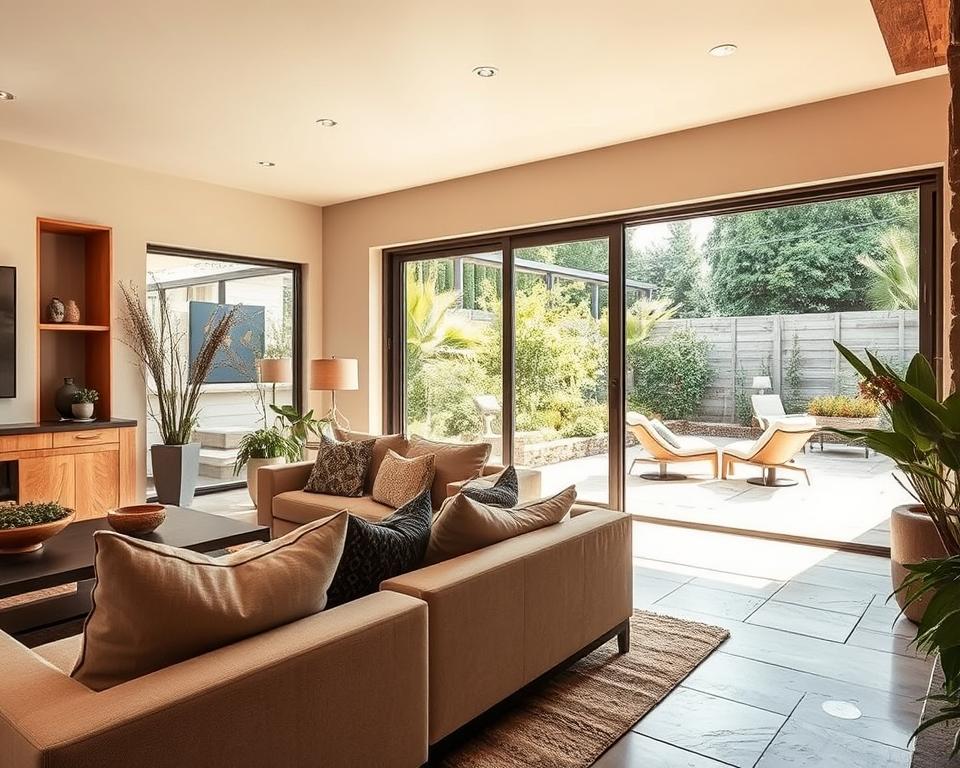
Big windows offer stunning views and let lots of sunlight in. Sliding doors make inside and outside flow together, mixing both worlds. Pick doors that open wide easily for more flexibility. These features invite the outside world into your home beautifully.
Choose Complementary Colors
Matching colors inside and out changes the look and feel. Choose colors that go well together in both areas. Earthy tones bring calm, while bright colors add energy. When mixing colors, think about the seasons and nature for a smooth transition between spaces.
Choosing the Right Materials
Selecting the right materials is key to linking the indoors and outdoors smoothly. The right choices enhance both the look and the function of the space, ensuring it lasts and looks cohesive. By picking elements that offer both style and durability, homeowners create spaces that are inviting in any weather.
Flooring Options
Flooring connects indoor and outdoor spaces. Using porcelain tiles or natural stone makes everything look unified and helps connect different areas. These materials are good for all kinds of weather. They also help make indoor and outdoor areas blend better, improving the overall feel.
Furniture and Decor
Choose furniture and decor that are durable and stylish. Outdoor items made to resist weather conditions last longer. Materials like teak or powder-coated metal fit naturally outdoor and keep a cohesive look. The right decor makes indoor and outdoor areas more charming and in sync.
Landscaping Materials
Landscaping materials should match the house style and outdoor features. Using stones, hardwoods, and local plants helps blend the natural environment. Pick materials that resist the weather, keeping outdoor areas nice all year. This careful choice improves the connection between indoors and outdoors, drawing attention and inspiring exploration.
Creating Zones for Functionality
Creating functional zones in your home makes the inside and outside flow together well. This makes living areas and outdoor spaces feel connected. Setting these zones up right can make your home more fun and useful.
Defined spaces help use both indoor and outdoor areas better.
Defining Indoor Areas
Designing clear indoor spaces takes careful planning around how we use rooms. Living rooms, dining spots, and kitchens need arranging to support their purposes. Placing furniture thoughtfully can encourage chats while keeping rooms open.
Using different colors or textures can mark spaces without ruining the look.
Designing Outdoor Spaces
Outdoor areas should follow the same design rules as inside. Patios, decks, and gardens can have areas for eating, chilling, and fun. Adding furniture, plants, and decorations gives structure and invites activity.
These zones link indoor and outdoor spaces, perfect for parties or quiet times.
Blending Transitional Areas
Transitional spaces are key links between inside and outside. Designing them well makes moving between areas smooth. Think about adding big sliding doors or open archways for easy access and view.
Choosing materials that match both areas adds continuity and boosts the look.
Lighting Considerations
Lighting is key for a smooth indoor-outdoor feel. Using natural and artificial light well makes a space welcoming. It’s about mixing different lights to create a unified look, making your home look better.
Natural Light Maximization
More natural light can change a room, adding warmth and life. Windows and skylights bring in sunlight and connect us with outside. They make rooms seem bigger and stay light and cheerful all day.
Outdoor Lighting Solutions
Good outdoor lighting is vital at night. String lights and lanterns can make outdoor gatherings special. Choosing the right lights improves the outdoor vibe and makes moving from inside to outside seamless, especially when it’s dark.
Indoor Lighting Strategies
Inside, it’s important to keep lighting consistent. Warm lights with dimmers vary the mood for activities or time of day. This approach connects indoor and outdoor areas well, making your home feel cohesive and inviting.
Incorporating Nature
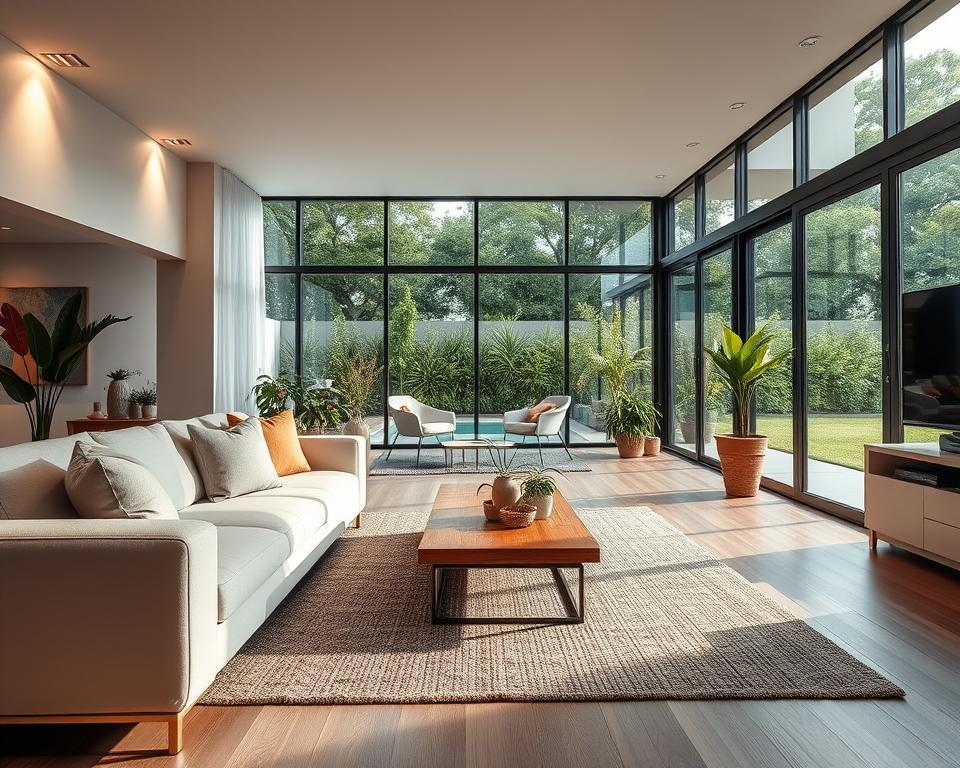
Adding nature to your living areas is key for a peaceful setting. By adding greenery, your home feels calm and connects the inside with the outside. This design boosts the well-being of everyone in the home.
Indoor Plants
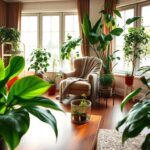
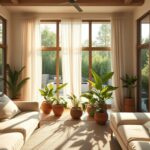
Indoor plants make your space look better, clean the air, and lift your spirits. Choose snake plants, pothos, or peace lilies because they’re easy to care for and clean the air. When you place them around your home, it feels fresh and links your indoor with your outdoor spaces.
Outdoor Focal Points
Creating outdoor features like colorful flower beds or neat shrubs catches the eye and opens up the space. They offer a beautiful view from the inside, making everything feel bigger. This way, greenery in your garden matches your home’s inside look.
Water Features
Water features, like ponds or fountains, add relaxing sounds and sights. They help everyone near them feel calm. The flowing water makes your home’s inside and outside blend smoothly, making it more pleasant.
Seasonal Adjustments for Indoor Outdoor Flow
Making your home look good inside and out all year takes some planning. You need to know how changing seasons affect your design choices. This means switching up your home’s decor and comfort features as the weather changes. Let’s talk about keeping your space welcoming no matter the season.
Winter Cozying Techniques
When it gets colder, your home should feel warm and welcoming. Add soft blankets and pillows in colors that match your room. Choosing soft, comfy furniture makes your home a cozy place to relax. It’s also key to keep areas like hallways warm, so your whole house feels comfortable.
Summer Cooling Solutions
In summer, it’s great to make indoor and outdoor spaces cool and refreshing. Use things like awnings to keep the sun away while still enjoying the outdoors. Putting in fans outside helps keep air moving, making it feel cooler. These changes help you enjoy your home, even when it’s really hot outside.
Maintaining Indoor Outdoor Flow
Maintaining a welcoming and functional connection between inside and outside needs year-round care. This care helps your outdoor areas stay lively and your indoor spaces enhance your home’s look. Seasonal care and cleaning are crucial for keeping both areas beautiful and usable.
Seasonal Maintenance Tips
As seasons shift, outdoor care needs change too. Here are vital tips to remember:
- Spring: Remove clutter, trim plants, and ready flower beds for growth.
- Summer: Water plants often, handle weeds, and prep patio furniture for use.
- Fall: Collect leaves, check for any damage, and cover sensitive plants for winter.
- Winter: Watch for ice, clear paths, and take care of heating for indoors.
Proper Cleaning Techniques
To keep your surroundings looking good, use smart cleaning methods. Try these tips:
- Outdoor areas do well with gentle soap and water to avoid harm.
- Indoors, a vacuum and damp mop keep floors shiny.
- Clean windows and doors often to let in light and improve the view.
- Remember to clean gutters to stop water damage inside and outside.
Popular Indoor Outdoor Flow Design Styles
Exploring different design styles can make living areas blend with nature more naturally. Each style brings special features that help connect indoor and outdoor spaces smoothly.
Modern Minimalism
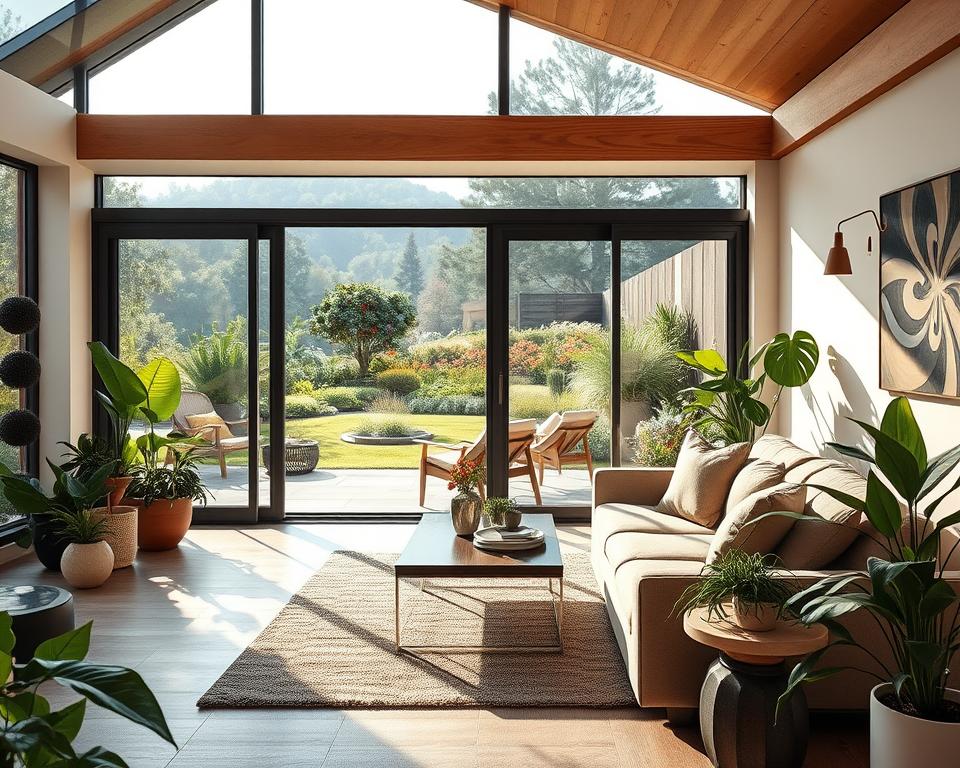
Modern design loves clean lines and keeping things simple to open up spaces. It makes indoor and outdoor areas flow together without clutter. Big glass doors and wide windows are key, letting in lots of light and views of nature.
Rustic Charm
Rustic design brings warmth and coziness, making spaces welcoming. It uses natural materials like old wood and stone to create a comfy feel. By adding textures and natural colors, this style joins indoor comfort with outdoor beauty.
Tropical Vibes
If you like lively designs, tropical style is full of bright colors and big, green plants. It uses bold colors to make rooms feel alive, connecting you to the outdoors even inside. Adding potted plants and places to sit outside makes nature a part of your home.
Real-Life Success Stories
Looking at successful designs can inspire anyone thinking about improving their home. We learn from real-life success stories where good planning leads to amazing changes. These changes highlight the beauty of connecting indoor spaces with the outdoors.
Case Study: Home Renovation
A home in California was transformed into a space full of light and openness. The owners put in big glass doors that showed off the garden. This made a beautiful link between inside and outside.
This change made the house look better and feel bigger. It also brought peace and calmness into the home.
Case Study: Outdoor Retreat
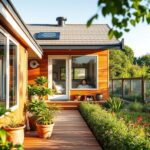
A family made an outdoor space perfect for spending time outside. It has cozy seats, a fire pit, and greenery that makes it peaceful. This shows how the right design can create special places for families.
Case Study: Urban Apartment
A New York apartment used smart ideas to make a small space feel bigger. They used sliding glass walls and a smart balcony design. This made inside and outside blend together smoothly.
This smart use of space shows that any home can link with nature. All it takes is creative thinking.